Different references for the same tag
The P&ID, the 3D model, the datasheet and the register each call the same item something slightly different.

FROM BIM TO PIM
We adapt BIM and Plant Information Management to your organisation, processes, workflows and software. We translate applicable legal, contractual and client information requirements into practical ways of working, connecting plant and building information across the full asset lifecycle.
From BIM to PIM
Building Information Modelling brings shared information requirements, responsibilities and delivery rules. We adapt that framework to your plant, your organisation and the requirements of your project.
We connect process, mechanical, piping, electrical, instrumentation and control with civil, structural, architectural and MEP information. Models, documents, tags, supplier inputs and asset records follow a coordinated information structure.
Where BIM is required by law or contract, we help you apply it to the realities of an industrial plant. Processes, software, responsibilities and information exchanges are tailored to your teams, from planning and design through construction, handover, operations, maintenance and future changes.
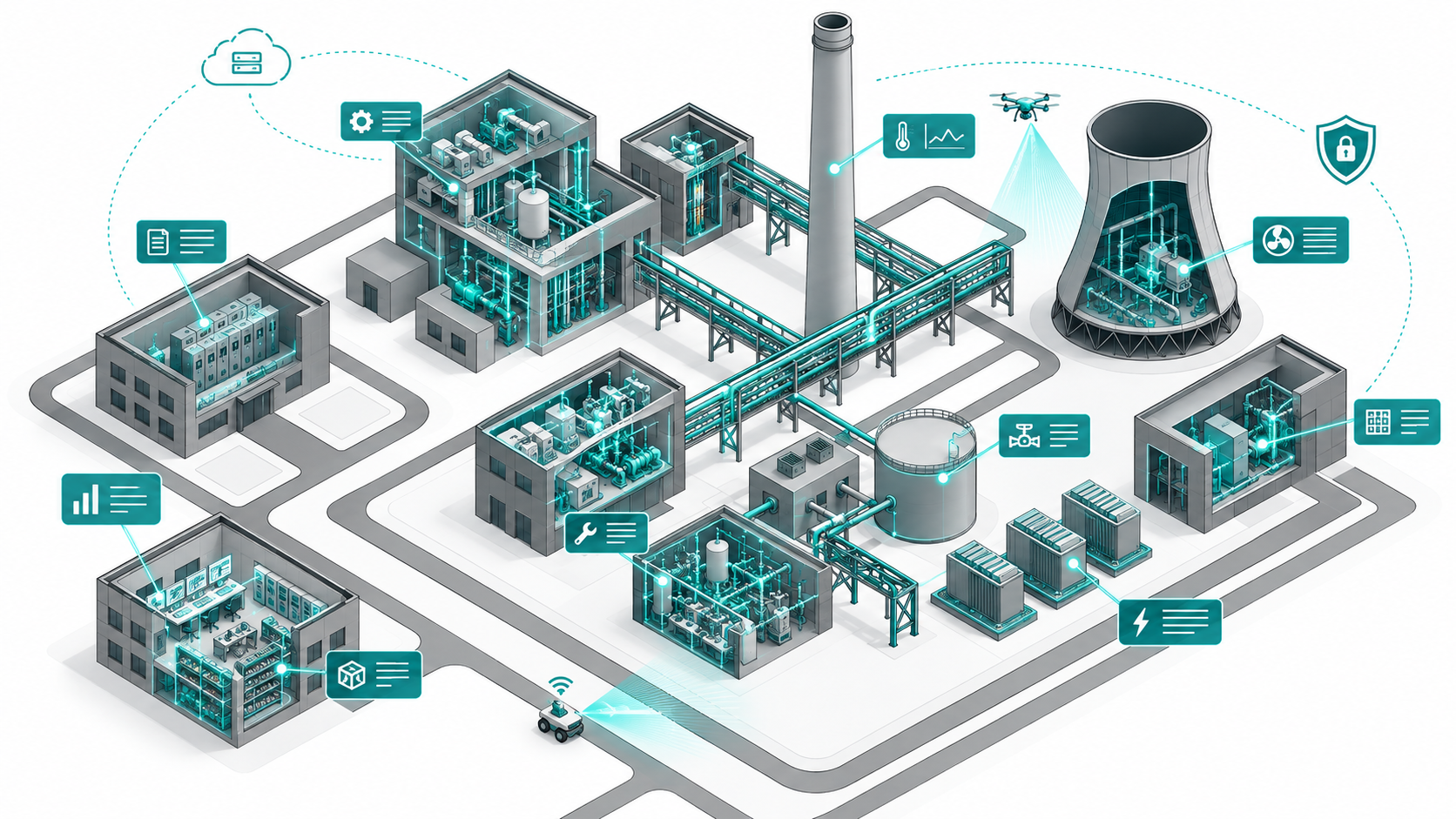
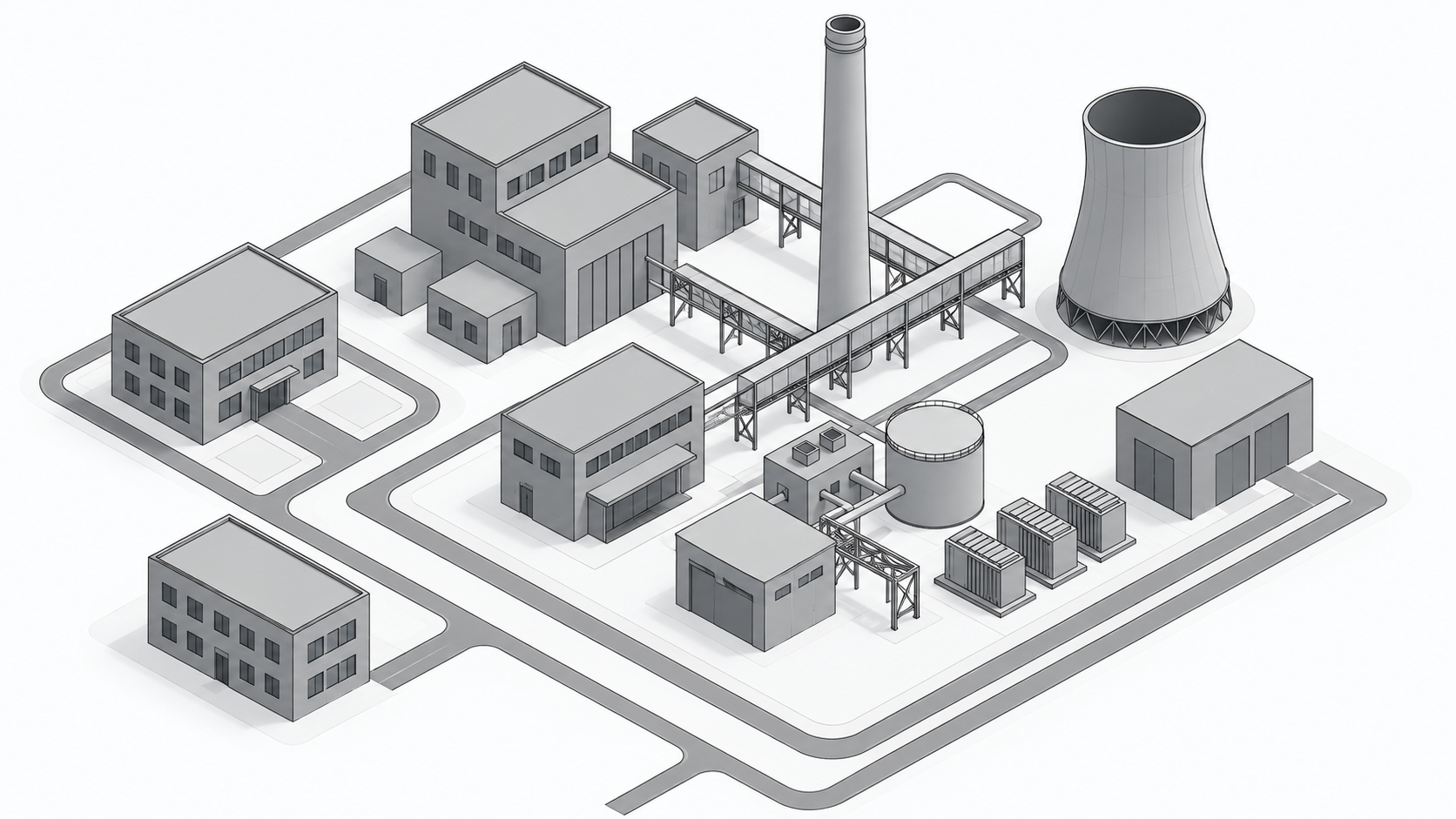
Drag to compare Or focus the slider and use the arrow keys
The building, civil and structural context is coordinated, while process and electromechanical plant information can remain hidden, fragmented or disconnected.
Process equipment, piping, electrical, instrumentation, asset information and site intelligence connect through secure digital links in one controlled environment.
Where projects lose control
A model can be perfectly coordinated in geometry and still carry engineering information that does not agree with itself. That is where most late surprises come from.
The P&ID, the 3D model, the datasheet and the register each call the same item something slightly different.
A change lands in one source and not the other, so coordination reviews are built on information that no longer matches.
Vendor models, datasheets and certificates arrive in their own formats and never join the project information structure.
By handover, the model, the documents and the asset register tell three different stories about the same plant.
PIM adds the information management layer on top of BIM. One tag structure, one set of rules and consistent checks keep models, documents and supplier data controlled as the project moves.
Our solutions

BIM and PIM governance tailored to your plant and your organisation.
Explore solution
Plant and building information in one coordinated environment.
Explore solution
From engineering data to usable asset intelligence.
Explore solution
Routine checking automated, real site conditions captured reliably.
Explore solutionIndustrial information environments need to be secure as well as connected.
Explore solution
Plant engineering experience, not civil only BIM.
Explore solutionBuilt around plant reality
A service shaped around your organisation, your plant and the requirements you need to meet.
Your organisation, responsibilities, workflows, software and asset lifecycle shape the service.
We connect your processes, data and software without replacing the engineering tools that already work. Changes are agreed where they improve the information flow.
Process, mechanical, piping, electrical and instrumentation stay aligned with building scope and supplier inputs.
Shared tags, delivery rules and checks keep engineering sources consistent as the project changes.
Asset and O&M information is structured during delivery and kept usable for operations, maintenance and future changes.
We turn applicable BIM requirements into clear responsibilities, workflows, checks and deliverables, then help your team apply them.
A practical sequence
We'll help you identify the practical next step. No long discovery process is needed.